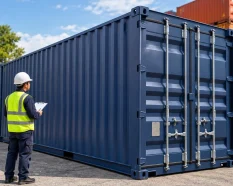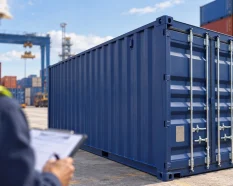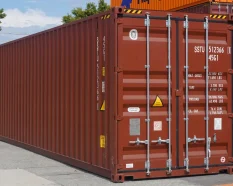














Before reusing a shipping container, check more than its appearance or condition grade. The most important questions concern previous cargo history, cleaning records, visible residues, odours, moisture and suitability for the next intended use.
A used container may look structurally sound while still having problems that affect stored goods or create health and safety concerns. Contamination can remain in flooring, corners, lower recesses or other areas that are difficult to inspect. Some hazards may not be visible or detectable by smell.
For procurement teams, warehouse operators and logistics managers, shipping container cleaning should therefore be considered part of a broader equipment-selection process.
A Cargo Worthy (CW), Wind and Water Tight (WWT), One Trip or CSC-related description does not, by itself, establish that a unit is clean, decontaminated, suitable for food storage or compatible with sensitive goods.
The key question is not simply whether the container can be cleaned. It is whether the exact unit can be shown to be appropriate for its next use, based on the evidence available.
This guide explains what to request from a supplier, which conditions deserve closer attention and when cleaning, further inspection or selecting another container may be the more appropriate decision.
Share the packed dimensions, weight, handling method and location with SILVERSEA Containers.
Start with the Intended Use, Not the Cleaning Method
The level of cleanliness and inspection required depends on what the container will hold and how it will be used.
A container intended for robust, packaged engineering components may have different acceptance requirements from one used for moisture-sensitive stock, odour-sensitive products or goods subject to particular hygiene controls.
Before selecting a used shipping container, define the intended application.
Static storage
For stationary storage, consider the condition of the floor, roof, doors and seals, as well as evidence of water ingress, pests, odours and residues.
A unit may be suitable for one storage application but inappropriate for another, even if its general condition is acceptable.
General dry cargo
For ordinary packaged cargo, check that the container is clean, dry and free from loose debris or transferable contamination that could affect the goods, packaging or handling equipment.
The equipment must also be appropriate for the intended transport operation and its applicable technical requirements.
Odour-sensitive goods
Textiles, packaging materials and other odour-sensitive products may be affected by persistent smells from previous cargo or treatments.
An unpleasant smell should be investigated rather than treated as an issue that ventilation will necessarily resolve.
Moisture-sensitive goods
Paper products, electrical equipment, certain raw materials and other moisture-sensitive goods may be vulnerable to dampness and condensation.
Pay particular attention to flooring, water marks, door seals, roof condition, mould-like growth and evidence of leaks.
Regulated or sensitive goods
Some cargoes require additional hygiene, safety, material-compatibility or regulatory controls.
These requirements must be established for the specific product, route and jurisdiction. A general shipping container condition label is not evidence of suitability for such applications.
Practical recommendation: Define the acceptance criteria before requesting a container. This allows the supplier to understand the operational requirement and identify which equipment details and supporting records are relevant.
What Does a Clean Shipping Container Actually Mean?
A clean shipping container is not necessarily one that has simply been swept or washed.
For cargo transport operations, the IMO/ILO/UNECE Code of Practice for Packing of Cargo Transport Units, commonly known as the CTU Code, provides a useful technical reference.
Under section 8.2.4, the Code states that closed cargo transport units should be clean, dry and free from residues or persistent odours associated with previous cargo.
It also identifies contamination risks involving soil, plant material, pests, mould, animal waste and other unwanted substances.
The International Maritime Organization explains that the CTU Code is a non-mandatory international code of practice addressing the handling and packing of cargo transport units.
It is not a universal cleanliness certification or an automatic substitute for applicable national legislation, carrier requirements, workplace safety procedures or cargo-specific standards.
For stationary storage, its cleanliness principles may still provide a helpful reference, but the actual acceptance requirements must reflect the proposed use.
Clean, dry and suitable are three different checks
These concepts should be assessed separately.
- Clean: No unacceptable residues, loose debris, contamination or persistent odours have been identified under the applicable inspection criteria.
- Dry: The unit shows no relevant dampness, water ingress or moisture conditions that would make it unsuitable for the intended goods.
- Suitable: The container’s condition, specifications and supporting evidence meet the requirements of its next use.
A container can be visually clean but still suffer from water ingress or condensation. Likewise, a dry container may contain residues from previous cargo.
Neither condition, considered in isolation, establishes that the equipment is appropriate for every type of product.
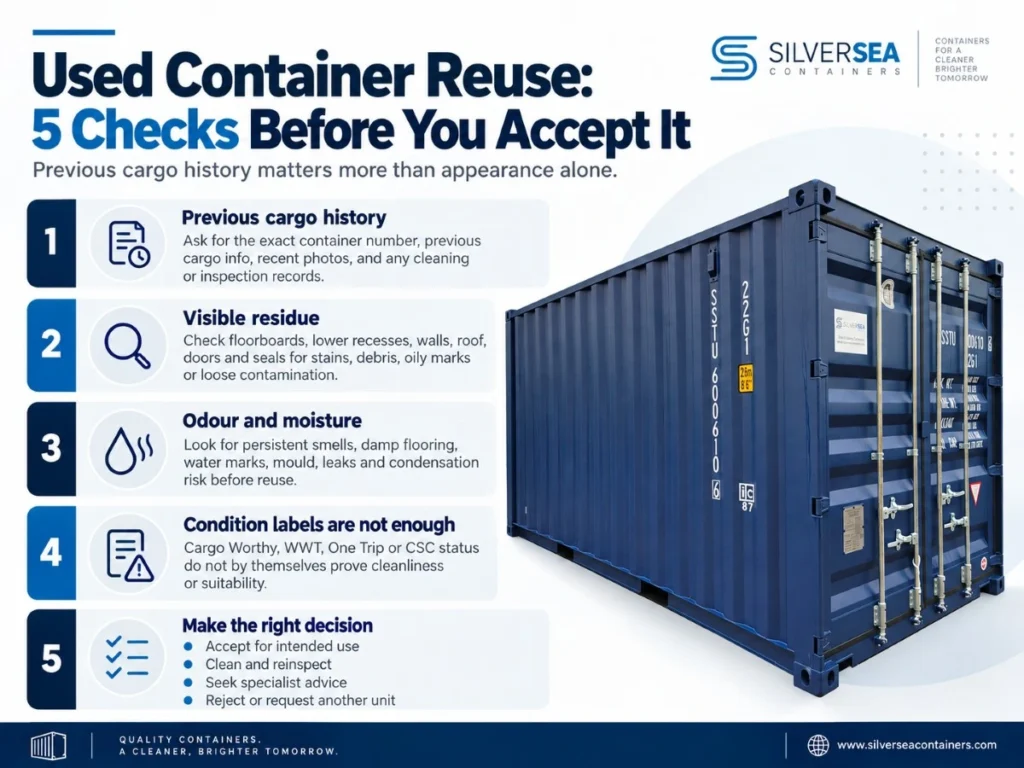
Previous Cargo History: What Should You Request?
Previous cargo history is particularly important when purchasing a used shipping container for sensitive applications. However, a complete history of every previous shipment may not be available.
Rather than assuming that a missing record confirms or rules out contamination, buyers should understand what evidence can be obtained for the exact container being offered.
Information worth requesting
Where available, ask the supplier for:
- Container identification: The unique identification number of the unit being considered.
- Previous cargo information: Any available description of earlier cargoes or cargo categories associated with that unit.
- Cleaning records: Dates, scope and outcomes of documented cleaning activities.
- Inspection reports: Recent assessments of the unit’s interior condition.
- Repair history: Relevant floor replacements, panel repairs or other work that could affect the planned use.
- Photographic evidence: Recent images of the actual container, including its floor, walls, roof, doors and lower recesses.
- Known condition concerns: Any reported residues, spills, persistent odours, dampness, mould or pest problems.
The documentation should be associated with the specific container number wherever possible.
Photographs from a catalogue or a representative unit are useful for understanding an equipment category, but they do not establish the current condition of the individual container being purchased.
What if the previous cargo history is unavailable?
An incomplete history does not automatically mean that the container is unsafe. It does, however, increase uncertainty.
The appropriate response depends on the intended use and the consequences of selecting unsuitable equipment.
For less sensitive applications, a suitable condition assessment and other available evidence may provide a reasonable basis for a purchasing decision.
For higher-sensitivity goods, limited cargo history may justify requesting further assessment, obtaining specialised evidence or selecting a different unit.
A lack of documentation should never be replaced by an unsupported claim that the container is chemical-free, fully decontaminated or suitable for any cargo.
Shipping Container Inspection Checklist Before Reuse
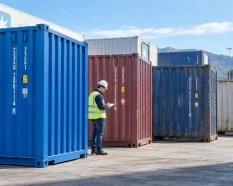
A unit-specific inspection helps identify visible conditions that may affect the next application. The findings should be recorded against the container number, inspection date and intended use.
Safety first: A shipping container may contain a hazardous atmosphere, including residual fumigants or gases released by previous cargo. Inspection must follow the site’s safe systems of work, and entry should not take place unless it has been assessed and authorised as safe.
The UK’s Health and Safety Executive (HSE) warns that an absence of fumigation markings does not prove that fumigants are absent. Where a hazardous atmosphere is suspected, specialist assessment and appropriate controls are required.
The following checklist is intended for an inspection conducted under safe, authorised conditions. It is not a procedure for entering an unknown or potentially contaminated container.
1. Initial condition and available records
Confirm the container number and review any available inspection, cleaning or previous-cargo information.
Check whether known hazards, unusual odours, spills or other concerns have already been reported.
Where there is reason to suspect dangerous residues or an unsafe atmosphere, stop the routine inspection and seek competent advice.
2. Flooring and joints
Inspect the floor for visible:
- Debris trapped between boards.
- Stains and discolouration.
- Oily or sticky deposits.
- Damp patches.
- Mould-like growth.
- Damaged, cracked or deteriorated sections.
Some residues can remain in joints, grooves and damaged surfaces even after ordinary cleaning.
3. Lower rails, corners and recesses
Examine accessible lower areas where soil, dust, grain, liquids or loose material may accumulate.
These locations can be overlooked during a quick visual assessment.
4. Walls and roof
Look for residue, loose coatings, corrosion, water marks and signs of previous repairs.
Check for visible conditions that could affect cargo or indicate potential leaks.
A surface that appears clean may still require further investigation if its previous treatment or condition is uncertain.
5. Doors, seals and ventilation openings
Inspect the doors, thresholds, gaskets and ventilation openings for:
- Visible debris.
- Damage.
- Signs of water ingress.
- Pest evidence.
- Deteriorated seals.
- Deposits around fittings or recesses.
Door operation and weather resistance are relevant to protecting the next goods, but they do not replace cleanliness checks.
6. Loose or transferable contamination
Document visible dust, particles, stains or other materials that might transfer to cargo or packaging.
Do not touch, disturb or test an unidentified substance without an appropriate risk assessment and safe procedure.
Some contamination may require specialist identification rather than routine cleaning.
7. Odours
Where it is safe to make an observation, record whether there is a noticeable, localised or persistent odour. Do not attempt to identify a chemical substance by smell.
The absence of odour is not evidence that hazardous gases or residues are absent.
8. Moisture and condensation
Check for damp flooring, water stains, mould-like growth and other signs of moisture problems.
Consider whether the container’s condition could contribute to condensation or water ingress during its planned use.
9. Pests and biological contamination
Look for visible indicators such as droppings, nests, insects, soil, plant material or other possible contamination.
Where pest infestation or another biological hazard is suspected, seek an appropriate assessment before arranging cleaning or reuse.
10. Photographic records and written outcome
Document relevant findings, including the container number and any areas of concern.
The final record should state whether the container:
- Is accepted for the specified use based on the available evidence.
- Requires ordinary cleaning and reinspection.
- Needs specialist assessment before a decision.
- Should be rejected or replaced.
Remember: A visual checklist is a screening tool. It cannot establish the absence of all chemicals, hazardous gases or hidden contamination.
Odours, Moisture and Residues: Why They Matter
Three common indicators deserve separate consideration because each can affect the suitability of a used shipping container.
Persistent odours
Odours may indicate the presence of previous cargo residues, absorbed smells or other conditions that require investigation.
However, smell alone cannot identify a substance or establish its level of risk.
A smell may become less noticeable after airing, but that does not prove that the underlyin20 cause has been removed.
If an odour is persistent, affects packaging or is incompatible with the planned goods, investigate the condition before accepting the unit.
Moisture and mould
Moisture can affect a container even when no significant debris is visible.
Potential concerns include:
- Water ingress through damaged surfaces or seals.
- Condensation during temperature changes.
- Wet or deteriorated flooring.
- Mould-like growth.
- Moisture retained after washing or cleaning.
Cleaning and drying are related but separate processes.
A container that has been washed should not automatically be considered dry or suitable for moisture-sensitive goods.
Unknown residues and stains
Visible residue requires assessment in the context of the previous cargo and intended use.
For example, ordinary loose debris may be straightforward to address under an approved cleaning procedure.
An unidentified oily deposit, chemical spill or persistent stain may require a different response.
A stain should not be assumed harmless simply because it is small, dry or difficult to identify.
The guiding principle is to investigate uncertainty rather than treating every residue as a routine cleaning problem.
Shipping Container Cleaning vs Decontamination
Cleaning and decontamination are not interchangeable terms.
Routine container cleaning
Ordinary cleaning may be appropriate where the material involved is known, the risks have been assessed and an established procedure can remove the relevant debris or contamination.
The work may involve general housekeeping or other appropriate cleaning measures, depending on the container’s condition and authorised procedures.
After cleaning, the unit should be reassessed against the acceptance criteria for its intended use.
Any cleaning record should ideally identify the container, date, work completed and inspection outcome.
Specialist remediation or decontamination
Potentially hazardous residues require a different approach.
Examples include:
- Suspected dangerous-goods residues.
- Unidentified chemical spills.
- Possible fumigant contamination.
- Persistent unexplained odours.
- Suspected harmful deposits or vapours.
- Contamination that cannot be safely assessed through ordinary inspection.
The CTU Code’s guidance on returning unpacked cargo transport units specifically highlights the need for particular care after dangerous goods have been unloaded.
It notes that suspected toxic or corrosive spills may require special cleaning and recommends contacting the CTU operator when the appropriate measures are uncertain.
For operations in Great Britain, the HSE also provides guidance on freight-container safety and potentially hazardous atmospheres.
Do not attempt improvised chemical treatments, disturb unknown residues or enter a container where the atmosphere may be unsafe. Such situations require competent assessment and appropriate procedures.
A routine cleaning certificate or a statement that the container was washed does not, by itself, establish that specialised decontamination has been completed.
Why Cargo Worthy, WWT, One Trip and CSC Do Not Prove Cleanliness
Condition grades and technical examination records serve different purposes from cleanliness and cargo compatibility.
Understanding these distinctions helps avoid purchasing decisions based on incomplete information.
Cargo Worthy (CW)
Cargo Worthy is a commercial condition description generally used for containers assessed as suitable for cargo transport under specified criteria.
It does not establish a complete previous-cargo history or demonstrate that the interior is free from residues or contamination.
Wind and Water Tight (WWT)
WWT generally describes a container assessed as resistant to wind and water ingress under the supplier’s stated condition criteria.
It can be relevant for stationary storage, but it is not a hygiene or decontamination certification.
A WWT unit may still require assessment for odours, residues, pests and moisture.
One Trip
One Trip generally refers to equipment that has completed a limited initial journey or repositioning movement.
Although such units may have a shorter operating history, the description does not guarantee that the exact container is free from stains, odours, damage or previous-cargo concerns.
CSC plate and examination status
The International Convention for Safe Containers (CSC) establishes a framework relating to container safety for applicable international transport operations.
A CSC plate and relevant examination information should not be confused with evidence that a container has been cleaned, chemically assessed or approved for a particular sensitive cargo.
Evaluate the actual unit
For a fuller explanation of these categories, read our guide to used shipping container grades in Europe.
You can also explore how to choose a shipping container from an online catalogue before requesting confirmation of a specific unit.
The important distinction is straightforward:
A container’s grade describes aspects of its condition. Its suitability for reuse depends on the next application and the evidence available for that unit.
When to Clean, Reinspect, Seek Specialist Advice or Reject a Container
Once the available documentation and condition observations have been reviewed, the next step is to select an appropriate course of action.
The following decision matrix helps distinguish manageable cleaning requirements from situations that involve uncertainty or potential hazards.
Container reuse decision matrix
| Assessment Outcome | Recommended Action | Important Consideration |
|---|---|---|
| Sufficient evidence for the intended use, with no relevant issues identified | Accept for the specified use | Acceptance applies to the assessed requirements, not every possible cargo. |
| Identified ordinary debris or a defined low-risk cleaning requirement | Clean and reinspect | Use an appropriate procedure and document the result. |
| Unknown residues, suspected chemicals, fumigants or potentially hazardous conditions | Stop and seek specialist assessment | Routine entry or cleaning should not proceed without appropriate controls. |
| Insufficient evidence for sensitive goods or unresolved suitability concerns | Reject or request another unit | Changing equipment may be preferable to accepting uncertain risks. |
A decision to accept a container should reflect its intended application, the inspection findings and any applicable requirements.
It should not be interpreted as a blanket declaration that the unit is contamination-free or suitable for every future use.
When is replacing the container preferable?
Selecting a different unit may be the more practical option when:
- Unit-specific records cannot be obtained and the intended goods are particularly sensitive.
- Persistent odours remain unexplained.
- Unknown staining, suspected chemical deposits or other concerning residues are present.
- The container cannot be shown to meet the required moisture or weather-resistance criteria.
- A specialist assessment identifies unresolved risks.
- The required hygiene or regulatory evidence cannot be established.
There is also a commercial consideration. Further cleaning, inspection, transport, repairs or specialist assessment may introduce costs and delays.
For this reason, the lowest-priced used container is not necessarily the most suitable or cost-effective choice for the planned operation.
Questions to Ask Before Buying a Used Shipping Container
A clear supplier enquiry can reduce uncertainty and help identify the right equipment from the beginning.
Before selecting a used shipping container for storage or cargo transport, ask:
- Which exact container is being offered? Can you confirm its identification number and specification?
- What information is available about its previous cargo? Are any relevant cargo categories or known concerns documented?
- Has the unit been cleaned? If so, what work was completed and is there a unit-specific record?
- When was it last inspected? Can you provide a recent condition report or other supporting evidence?
- Are recent photographs available? Do they show the actual container’s floor, walls, roof, doors and lower recesses?
- Have any residues, odours, spills, moisture or pest concerns been reported?
- Have relevant repairs or treatments been carried out? Are floor replacements or other modifications documented?
- Which condition grade is being offered? How does the supplier define that grade?
- What is the intended use of the equipment? Has this requirement been communicated and considered?
- Are additional assessments necessary? Does the application involve sensitive goods, specialist hygiene requirements or other cargo-specific controls?
- What happens if the container does not meet the agreed acceptance criteria? Are inspection, replacement or other arrangements covered by the commercial terms?
Not every supplier will hold all the information listed above. The objective is to establish what evidence exists, where uncertainty remains and whether that information is sufficient for a responsible purchasing decision.
A Practical Four-Step Container Reuse Assessment
Before approving a used container for its next application, follow a structured decision process.
Step 1. Define the intended use
Identify the goods, operating conditions and any requirements relating to cleanliness, odours, moisture, hygiene, transport or material compatibility.
Step 2. Request unit-specific evidence
Ask for the container number, available previous-cargo information, recent photographs and any relevant cleaning, inspection or repair records.
Step 3. Arrange an appropriate assessment
Review the documentation and ensure any physical inspection follows the applicable safe-entry and workplace procedures.
Where an unknown substance or hazardous atmosphere is suspected, stop and seek competent specialist advice.
Step 4. Make and document the decision
Determine whether the unit can be accepted for the specified use, requires ordinary cleaning and reinspection, needs specialist assessment or should be rejected.
Record the reasons and any outstanding conditions.
This process does not provide a universal certification of cleanliness or safety.
It establishes a clearer basis for selecting equipment, communicating requirements and identifying when further evidence is necessary.
Share the packed dimensions, weight, handling method and location with SILVERSEA Containers.
Frequently Asked Questions About Shipping Container Cleaning
No. Cargo Worthy generally describes a container’s assessed condition for cargo transport under stated criteria, while CSC-related documentation concerns applicable container safety requirements.
Neither automatically establishes that a unit is free from previous-cargo residues, odours, contamination or other conditions that could affect its next use.
Cleanliness and cargo suitability should be assessed separately.
Potentially, depending on the intended use, the available inspection evidence and the consequences of contamination.
An incomplete history does not automatically prove that a container is unsafe, but it creates uncertainty.
For sensitive goods or applications requiring specific assurance, further assessment or selecting another unit may be more appropriate.
No. Washing may remove certain types of ordinary dirt or debris, but it does not necessarily eliminate unknown chemicals, absorbed substances, hazardous residues or other contamination.
It can also introduce moisture if the unit is not dried appropriately.
The required cleaning and assessment depend on the previous conditions and the intended next use.
Find the Right Used Container for Your Requirements
Choosing a used shipping container involves more than comparing dimensions, condition grades or prices.
The intended goods, expected operating environment and available unit-specific information all influence whether a container is a suitable choice.
At SILVERSEA Containers, we help businesses explore maritime container options for storage and cargo-related requirements.
If you are considering a used container, share the intended application, preferred location, equipment type and any concerns relating to previous cargo, cleanliness, odours or moisture.
Our commercial team can discuss the available options and clarify which equipment details and supporting information can be provided for the proposed transaction.
Request a Container Quote from SILVERSEA Containers and explain your intended use so the requirements can be assessed before selecting equipment.