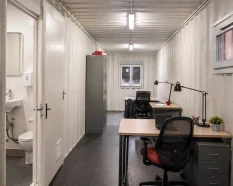














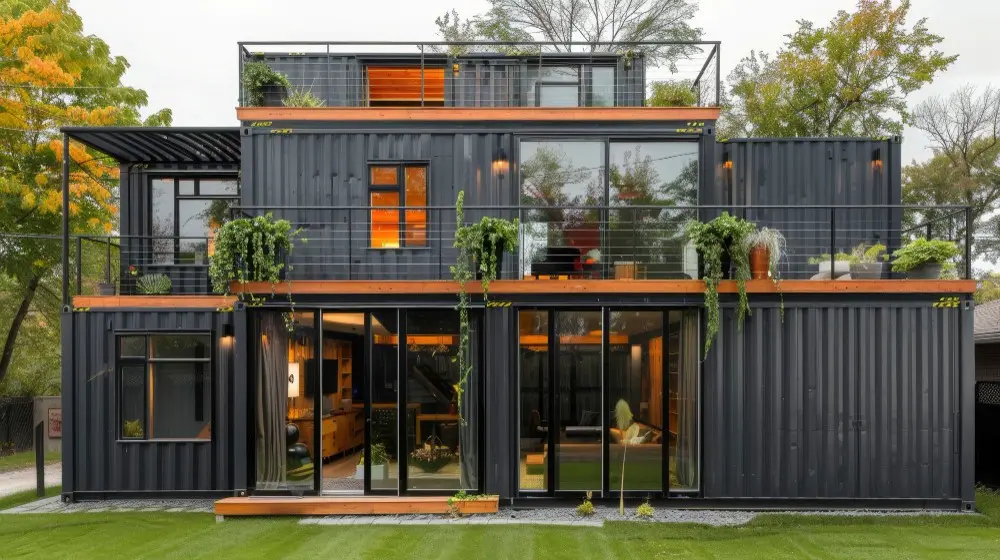
Building a home out of shipping containers sounds like a dream: affordable, modern, and eco-friendly. But is it really that simple?
More and more people are exploring modular container homes as a smart alternative to traditional construction. Whether you’re an architect, a DIY builder, or simply dreaming of a minimalist retreat, this guide is for you.
We’ll break down:
- ✅ What to look for when buying a container
- ✅ Common mistakes (and how to avoid them)
- ✅ Key design and legal considerations
- ✅ Costs and practical tips to plan your project

Why shipping containers for homes?
- Affordable compared to traditional construction
- Modular and scalable designs
- Eco-friendly and reusable
- Fast to install and relocate
- Minimal foundation requirements
But… there’s more to it than just buying a container and stacking it on land.
Before you ouy a Container for home:
What to consider
1. Container condition: The foundation of your project
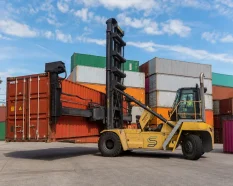
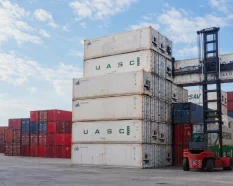
Wandering through a depot full of metal boxes can feel overwhelming. Do you need one? Two? New or used? Standard or high cube?
To avoid costly surprises:
- Use a container provider with filtered search tools for size, condition, and type
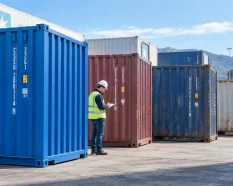
- Make sure the container is suitable for conversion (no major structural damage)
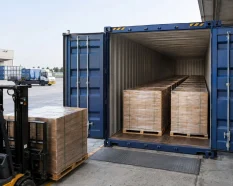
- Check if the provider offers delivery, loading, and unloading services
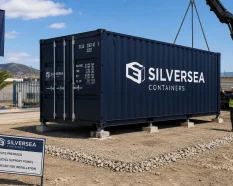
At SILVERSEA Containers, we simplify the process: real-time inventory, multiple types and sizes, and global delivery options.
2. Material, lifespan & Maintenance
How long will your container home last?
With good insulation and regular care, at least 25+ years.
The #1 enemy? Rust—especially in humid climates.
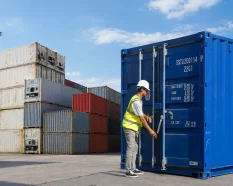
Before buying, inspect for rust spots. If untreated, corrosion can compromise the structure.
Always treat and seal rust before beginning construction.
3. New vs. used vs. One-trip containers
| Option | Pros | Cons |
|---|---|---|
| Used | Cheapest, widely available | Visible wear, shorter lifespan |
| New | Perfect condition | Higher cost, less eco-friendly |
| One-Trip | Like new, better resale value | Slightly more expensive |
One-Trip Containers are a great middle ground:
- Only used once for cargo
- Easier to resell later
- Strong structure for housing projects
At SILVERSEA Containers, we offer certified One-Trip units in all major sizes and locations.
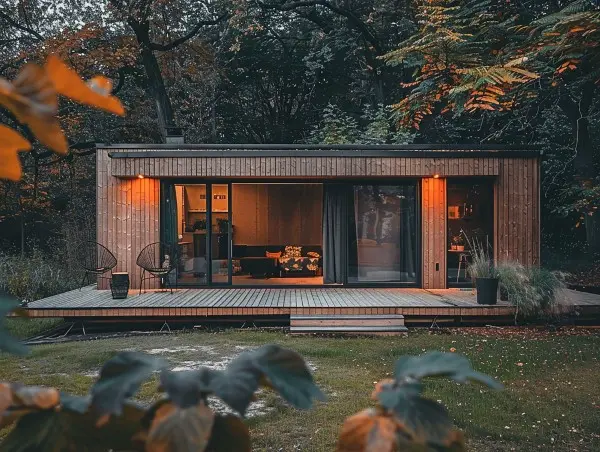
Container home design: Think beyond the box
Shipping containers are modular, but designing a livable home requires more than stacking steel boxes.
Key structural facts:
- The long walls support the load—cutting them weakens integrity
- Reinforcement requires steel welding, which adds cost
- Plumbing and electrical systems need planning before stacking units
Working with a specialized architect or 3D design team is essential.
✅ What a professional container home project should include:
- Accurate floor plans adapted to container sizes
- Realistic 3D renderings (materials, light, layout)
- Structural analysis for safe openings/windows
- Insulation and moisture barrier strategy
- Foundation and anchoring plan
- Design for natural light and ventilation
- Custom furniture or storage solutions
Where can you build a container home?
Location matters—a lot.
In some rural or semi-urban areas, container homes are welcomed as eco-housing. But building codes and zoning laws vary by country and region.
- Always check local regulations before placing your container.
Pro tip: Areas with progressive planning departments tend to be more container-home-friendly.
How much does a container home cost?
The container itself is just a small part of the final budget.
Main cost factors include:
- Land acquisition + access prep
- Legal and architectural permits
- Number and size of containers
- Welding, cutting, and modifications
- Cleaning (if used)
- Electrical and plumbing installation
- Thermal and acoustic insulation
- Roofing, flooring, siding
- Windows, doors, kitchen, bathroom finishes
Even with all that, container homes remain up to 30–50% cheaper than traditional builds of similar size.

Common mistakes to avoid when you build a shipping container home
- Choosing the wrong container type or condition
- Skipping structural reinforcements after cutting large openings
- Ignoring local construction regulations
- Underestimating insulation needs
- Trying to DIY without expert help
✅ Pre-purchase Checklist
Before you place your order:
- Decide on container type (Dry Van, High Cube, Reefer…)
- Choose condition (New / Used / One-Trip)
- Confirm structural soundness
- Ask about delivery logistics
- Plan insulation and interior finishes
- Work with licensed professionals
- Check local regulations
- Request a full quote with transport, taxes, and handling
Ready to start your container home project?
At SILVERSEA Containers, we help you:
✅ Choose the right container
✅ Plan delivery and installation
✅ Connect with design professionals
✅ Start your dream home with confidence