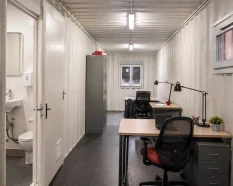















Shipping containers have evolved far beyond freight. Now, they’re used for everything from mobile cafes and offices to off-grid homes, cold storage, and industrial solutions.
But when it’s time to buy one, the first question is almost always the same: «How much does a shipping container cost?«
This extended guide breaks down real-world container pricing, including:
- Updated price ranges by type and size
- Key factors that influence cost
- Hidden fees you should never overlook
- Buying vs. leasing: which is smarter?
- Bonus: checklist + FAQs to help you buy without surprises
Let’s dive in.

📊 Average shipping container prices in 2026
| Container Type | Condition | Size | Estimated Price (€) |
|---|---|---|---|
| Dry Van Standard | Used | 20 ft | €1,500 – €2,500 |
| Dry Van Standard | New | 20 ft | €3,000 – €4,500 |
| High Cube | New | 40 ft | €4,000 – €5,500 |
| Reefer (Refrigerated) | Refurbished/Used | 40 ft | €4,000 – €8,000 |
| Open Top | Used | 40 ft | €3,000 – €6,500 |
| Tank Container | Used | 20 ft | €10,000 – €15,000 |
These are estimated prices in Europe. Always request a formal quote with delivery and taxes included.
Why container prices vary so much
1. Condition: New vs. Used vs. Refurbished
- New (One-Trip): Pristine condition, never used for international shipping.
- Used: Cheaper, but expect signs of wear. Still suitable for storage or conversion.
- Refurbished: Professionally repaired and painted. Great value for functional use.
💡 Tip: Used containers are ideal for static projects like workshops or storage. For export, go new or CSC-certified.
2. Type & Size
- High Cube containers (9’6” height) offer 13% more volume—usually 15% more expensive.
- Reefers and Tanks require specialized components (insulation, cooling, etc.), which increase cost.
- Flat Racks or Open Tops for oversized cargo are priced based on availability and demand.
3. Location & Transport distance
- Buying near major ports like Valencia, Rotterdam or Hamburg reduces total cost.
- Inland delivery adds €300–€800, depending on distance and accessibility.
📍 Example: A container delivered from the Port of Valencia to Madrid typically adds ~€500 to the total.
4. Market demand & Seasonality
- During peak shipping seasons or material shortages, prices can spike 10–20%.
- Buying off-season or in bulk often leads to better deals.
5. Supplier type
- Direct suppliers (like SILVERSEA Containers) often include certifications, inspection, and logistics support.
- Resellers or marketplaces may appear cheaper but hide costs like loading, delivery, or CSC inspection.
Hidden costs you should always account for
Even if the container itself is affordable, other costs can catch buyers off guard:
| Cost Type | Typical Range (EUR) | Notes |
|---|---|---|
| Ground Transport | €300 – €800 | Depends on km and truck type |
| Crane/Lift for Delivery | €150 – €600 | Needed if site has no loading dock |
| Customs & VAT (if importing) | 10–20% of purchase value | Applies outside EU purchases |
| Container Modifications | €500 – €10,000+ | Optional, for doors, insulation, etc. |
| Permits (for structures) | Varies by region | Required for housing or business use |
Tip: Always request a final all-inclusive quote with delivery, taxes, and documentation. Avoid surprises.
International price comparison of shipping containers (2026)
| Country | Average price (20′ Dry Van) |
|---|---|
| Spain | €1,500 – €4,500 |
| USA | €2,000 – €5,500 |
| Germany | €2,500 – €6,000 |
| UK | €2,000 – €5,000 |
| China | €1,200 – €3,500 |
China remains the cheapest due to proximity to manufacturers. EU prices include stricter inspections and logistics.
Should you buy or lease a container?
Depending on your use case, leasing may be smarter than buying—especially for short-term or high-volume needs.
When to BUY:
- Long-term use (5+ years)
- Custom modifications needed
- You want full ownership/control
- Lower TCO over time
When to LEASE:
- Short-term logistics or seasonal use
- Limited upfront capital
- Need for flexibility in fleet size
- Operational lease = tax deductible (OPEX)
CAPEX vs OPEX? Leasing often improves cash flow but costs more long term.
✅ Container buyer’s checklist (2026 Edition)
Before you click “buy”, review these steps:
- Inspect photos or request a live video of used units
- Confirm size, type, and condition (e.g. IICL, WWT, CW)
- Request full quote with transport, VAT, crane if needed
- Ask about certifications: CSC, ISO, CE
- Consider door type (single, double, roll-up) based on use
- Plan your foundation and unloading access

Frequently Asked Questions about shipping container cost:
How long does a shipping container last?
15–25 years with basic maintenance. Refurbished units extend lifespan.
Are used containers safe for homes or business use?
Yes, if structurally inspected and modified correctly.
Can I paint or insulate a used container myself?
Yes, but use industrial-grade coatings and consult on condensation prevention.
Do I need a permit to place a container on my land?
Regulations vary. Always check with local authorities—especially for housing.
🤝 Need expert help? Talk to SILVERSEA Containers
We specialize in helping individuals and businesses across Europe, Asia, USA and the UK with:
✅ Container selection (size, type, condition)
✅ Transportation and installation logistics
✅ Structural inspections and documentation
✅ Modification planning for retail, housing or logistics
👉 Get a personalized quote
The container itself is only part of the story. A smart purchase involves understanding total cost of ownership, delivery logistics, and your long-term goals.
At SILVERSEA Containers, we help clients avoid costly mistakes—and unlock the full value of modular solutions. Let’s build something smart together.