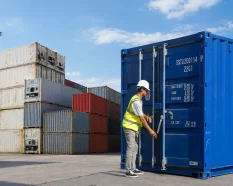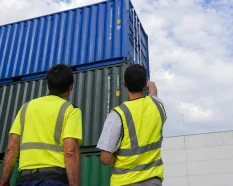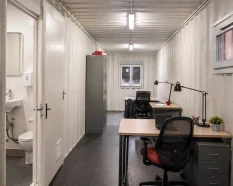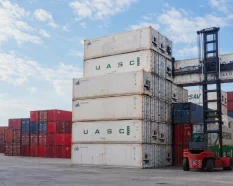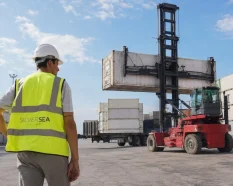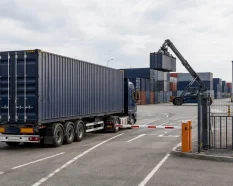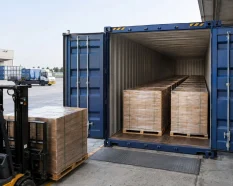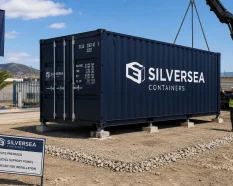















One strategic tool that’s gaining traction among freight forwarders and logistics professionals is the Shipper Owned Container, better known as SOC.
Unlike COC (Carrier Owned Containers), SOC containers offer full control, cost transparency and flexibility—three pillars essential for scalable, resilient logistics operations.
At SILVERSEA Containers, we help forwarders and carriers optimize their shipping operations through tailored SOC solutions. In this guide, you’ll learn:
- ✅ What SOC containers are and how they differ from COC
- ✅ When and why to use them
- ✅ Leasing models, technical requirements and inspection processes
- ✅ Real operational benefits and risks

SOC vs. COC: Understanding the core difference
| Container Type | Owned By | Demurrage/Detention Fees | Control Over Logistics |
|---|---|---|---|
| COC | Shipping line (Carrier) | Yes, if returned late | Limited (Carrier-managed) |
| SOC | Shipper / Forwarder | No | High (You manage fleet) |
Carrier Owned Containers (COC) are provided by the shipping line. You’re renting their equipment and must follow their rules—including strict timelines and penalty fees (demurrage, detention) if you return late.
Shipper Owned Containers (SOC), on the other hand, are your property or leased independently. You’re free to set the schedule, choose ports, and even reposition your fleet based on operational needs—without paying fees for delays.
Key benefits of using SOC Containers
Why are more logistics professionals moving to SOC models?
- 📉 No demurrage or detention costs
Reduce overhead significantly on multi-week or delayed shipments. - 🎯 Full control over logistics
You manage where, when, and how containers move—not the carrier. - 🌍 Ideal for equipment-scarce regions
Solve equipment shortages on unbalanced or remote trade lanes. - 🔧 Direct responsibility over condition
Keep your containers in better shape, avoid surprises at ports. - 💰 Lower total cost of ownership
Especially for companies with consistent trade routes or high volumes.
“SOC is not just about avoiding fees—it’s about owning your logistics lifecycle.”

SOC Leasing Models: Which one fits your operation?
At SILVERSEA Containers, we provide flexible leasing models that align with your trade volume, route stability and financial strategy.
🕒 1. Long-Term Leasing (3–7 Years)
Ideal for: Companies with stable trade lanes and repeat shipments
- ✅ Lower cost per unit over time
- ✅ Possibility to custom brand containers
- ✅ Predictable amortization
- ❌ Higher upfront commitment
💡 Often used by forwarders looking to build a semi-permanent fleet without full purchase.
🕓 2. Short-Term Leasing (Weeks to Months)
Ideal for: Seasonal peaks, urgent shipments or equipment shortages
- ✅ High flexibility, low commitment
- ✅ Perfect for pilot routes or temporary contracts
- ❌ Higher cost per use
- ❌ Requires agile fleet coordination
📦 One-Way Leasing Option: Use a container once on a non-returnable route (e.g. Asia → South America). Saves repositioning costs.
🔁 3. Master Leasing / Container Pooling
Ideal for: Large-scale operators who want zero asset management
- ✅ Access to a shared fleet, adjusted by need
- ✅ No maintenance or repair responsibility
- ✅ Avoid repositioning costs
- ✅ Fixed contract rates
SILVERSEA Containers handles:
- Inspection and certification
- Repairs and depot management
- Fleet reallocation based on your usage data

Mandatory survey & Inspection: Why it matters
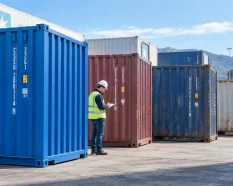
Before leasing or transferring a SOC container, an official container survey is conducted. This is a technical inspection that ensures:
- Structural integrity
- Cargo Worthiness certification (C/W)
- Manufacturing year and material specs
- ID plates, container number and markings
- Surface damage (with documented photos)
The result is an official condition report, which protects both parties and ensures that your cargo meets port and carrier standards.
Ownership vs. Leasing:
Which model is right for you?
| Factor | Own SOC Container | Lease SOC Container |
|---|---|---|
| Upfront Cost | High | Low or none |
| Maintenance | Your responsibility | Often included |
| Fleet Flexibility | Medium | High |
| Control | Total | Partial |
| Idle Costs | Paid by you | Shared or covered |
| Best for | High-volume stable routes | Variable or seasonal needs |
Recommendation: Start with short-term or one-way leasing to test your volume and route efficiency. Move to long-term or owned containers once your operations stabilize.
When should you use SOC containers?
SOC containers are ideal when:
- You need maximum schedule flexibility
- You ship on non-standard or imbalanced routes
- Your cargo frequently exceeds free time at ports
- You want to standardize equipment quality
- You manage multi-origin/multi-destination logistics

Why Choose SILVERSEA Containers for SOC?
We specialize in helping freight forwarders, NVOCCs and carriers build better SOC strategies with:
✅ Large container stock in strategic ports (Europe, LATAM, Asia)
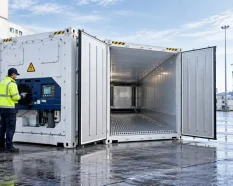
✅ Multiple container types: Dry, High Cube, Reefer, Open Top, Tank
✅ Certified, pre-inspected containers with C/W and ISO
✅ Leasing options for one-way, short-term, or long-term use
✅ Expert consulting on routes, documentation, and compliance
Looking to reduce shipping costs and gain full control over your container fleet? Let’s build a custom SOC solution tailored to your routes, volumes and contractual needs.