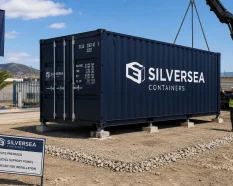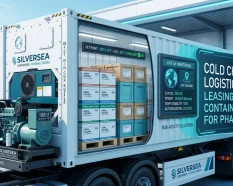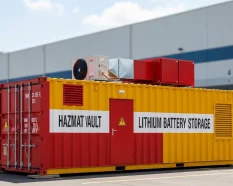















Modular construction and on-site logistics in the UK have increasingly adopted shipping containers as a practical solution. Whether used as secure storage, mobile offices, or welfare facilities, containers are a flexible asset that helps contractors reduce costs and accelerate timelines.
This comprehensive guide explores how construction companies in the UK are leveraging containers, the regulatory landscape, cost implications, and key considerations for implementation.
Why use shipping containers in construction?
Shipping containers are repurposed across UK job sites for multiple reasons:
- Security: Can be lock-box reinforced for tool, material, or document safety.
- Durability: Built from Corten steel, containers withstand harsh weather, theft attempts, and repeated relocation.
- Cost-effectiveness: Compared to traditional modular units or permanent buildings, containers offer a low upfront cost.
- Mobility: Easily transported and stacked on-site or relocated as the project progresses.
- Speed: Quick to deploy, reducing construction delays.
Common applications in UK construction
| Use Case | Description |
| Site Offices | Fully equipped with desks, power, HVAC, and IT setups |
| Storage Units | Tool, equipment, and material storage with lock reinforcement |
| Welfare Facilities | Toilets, changing rooms, and kitchens compliant with CDM regs |
| First Aid Stations | Rapid-deploy health and safety infrastructure |
| Meeting Rooms | Soundproofed spaces for internal and stakeholder meetings |
UK-Specific regulations and compliance
Before deploying containers on-site, construction managers must consider the following:
1. Planning Permission
- Temporary Use: Containers typically don’t require planning permission if used for under 28 days.
- Extended Use: If in place longer or permanently modified, they may need local council approval under the Town and Country Planning Act 1990.
2. Building Regulations (UK)
If the container is used as a habitable structure or includes plumbing, it must comply with Building Regulations including:
- Part L (Conservation of Fuel and Power)
- Part M (Access to and use of buildings)
- Part F (Ventilation)
3. CDM 2015 Compliance
The Construction (Design and Management) Regulations 2015 require that:
- Welfare facilities are suitable and sufficient (Reg. 13–15)
- Health and safety signage and access are provided
4. Fire Safety (Regulatory Reform Act 2005)
- Containers used as office or storage units must include fire detection, extinguishers, and emergency egress in line with fire safety regulations.
5. Insurance and Liability
- Confirm that site insurance covers temporary modular structures.
- Leased containers may include liability waivers or inspection clauses.
Container sourcing in the UK
Where to buy or lease:
- Regional Suppliers: Adaptainer, Budget Shipping Containers, Cleveland Containers
- Online Marketplaces: ContainerAuction, Boxhub UK
- Specialists in Construction Fit-outs: SiteCabinContainers, Premier Modular
Average costs:
| Container Type | Purchase Price | Weekly Lease |
| 20’ Standard | £1,700–£2,400 | £18–£25 |
| 40’ Standard | £2,500–£3,400 | £25–£35 |
| Converted Office (Insulated + HVAC) | £6,000+ | £45–£75 |
| Welfare Unit | £7,000–£9,500 | £60–£90 |

Best practices for site deployment
- Weatherproofing: Use EPDM roofing, rust treatment, and sealed joints in converted units.
- Level Foundations: Containers should rest on concrete pads, timber blocks, or steel feet to prevent corrosion.
- Security Upgrades: Add steel lockboxes, CCTV, and internal alarm systems.
- Utility Integration: Electrical connections must meet IET Wiring Regulations (BS 7671).
- Stacking: Secure containers with twist locks and consult engineers for stacking over two units.
Environmental and sustainability impact
- Reuse: Diverts containers from scrapyards.
- Reduced CO₂: Less embodied carbon than brick-and-mortar alternatives.
- Modular Lifecycle: Containers can be reused across projects with minor retrofitting.
- BREEAM Credits: Possible contribution toward green building certifications.
Containers offer UK construction firms a robust, cost-effective, and modular solution for site logistics, welfare, and office needs. With growing regulatory awareness and supplier availability, they’re more accessible and adaptable than ever.
Careful consideration of planning laws, insulation, utilities, and supplier contracts ensures maximum ROI and regulatory compliance.
FAQs
Only if the use extends beyond 28 days or includes plumbing/electricity.
Yes, with proper permissions and compliance with Building Regulations.
Lease for short projects (<12 months), buy if you’ll reuse across multiple sites.
Yes, when insulated and fitted with heating—especially common in converted site cabins.
Yes, with engineered support and safety certification.