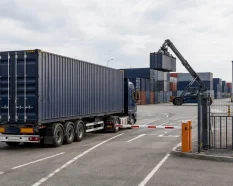














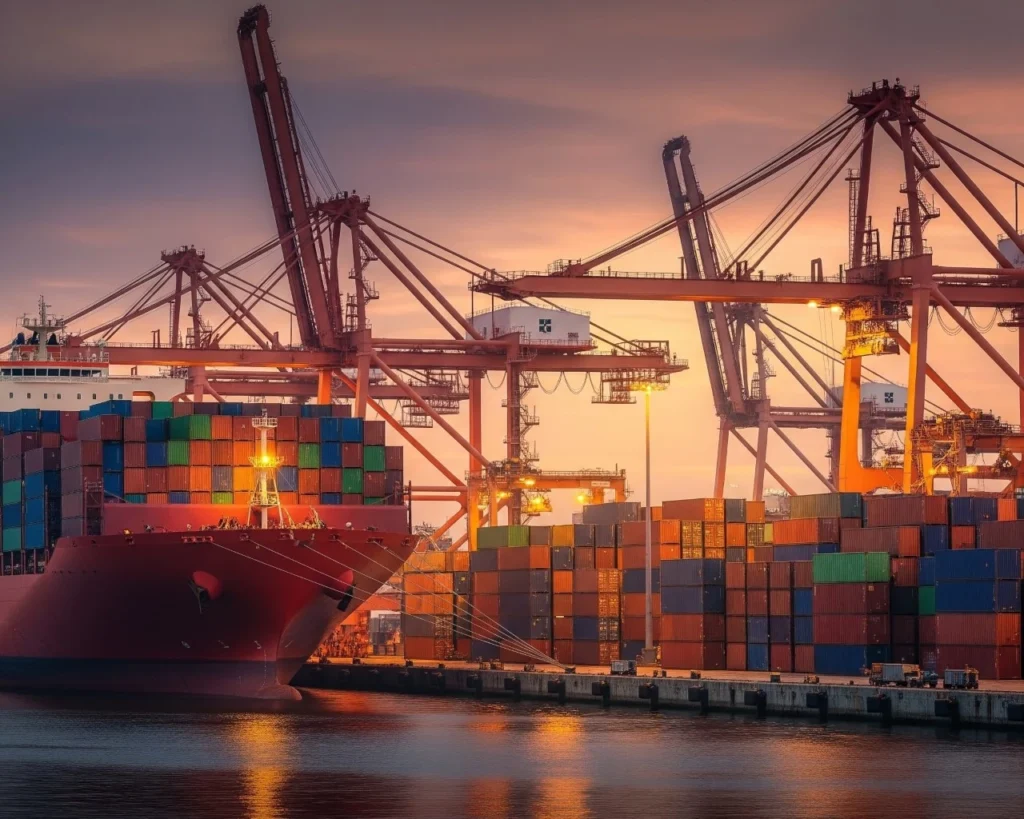
Let’s be completely honest about the current state of global shipping: making a delivery promise to a VIP client right now feels like a gamble. You carefully plan your supply chain, book your freight months in advance, and track the vessel across the ocean. But then, the ship drops anchor just miles outside the destination port and sits there.
A labor strike, a sudden shortage of chassis, or simply an overwhelming backlog of vessels has paralyzed the terminal. Your cargo is trapped.
When you operate using the traditional model—relying on the shipping line’s equipment—you are essentially held hostage by their operational bottlenecks. You cannot reroute, you cannot easily extract your goods, and to add insult to injury, you will likely be billed for the delays.
As logistics consultants who have navigated every major supply chain crisis over the last two decades, we are seeing a massive shift in how top-tier freight forwarders and enterprise importers protect their margins. They are walking away from carrier dependency and taking control by integrating Shipper Owned Containers (SOC) into their operations.
- In this strategic guide, we will break down exactly why port congestion destroys profitability, the hidden traps of carrier equipment, and how owning the steel box gives you the ultimate leverage to bypass logistics gridlocks in 2026.
2026: The New Era of Supply Chain Disruptions
If the past few years have taught the logistics industry anything, it is that global trade lanes are incredibly fragile. We have moved past the pandemic-era disruptions, but 2026 brings its own set of severe challenges.
Port congestion is no longer an anomaly; it is a recurring seasonal reality. We are dealing with:
- Geopolitical rerouting: Vessels avoiding traditional transit canals (like the Red Sea or Panama Canal) add weeks to transit times, causing ships to arrive at destination ports in unpredictable clusters (vessel bunching).
- Labor shortages and strikes: From dockworkers to rail operators, sudden strikes can paralyze a major hub like Los Angeles, Rotterdam, or Felixstowe overnight.
- The «Blank Sailing» domino effect: When carriers cancel scheduled sailings to manipulate freight rates, the cargo rolls over to the next vessel. When that mega-ship finally arrives, the terminal is overwhelmed with a massive influx of boxes that the local trucking infrastructure simply cannot absorb.
When these disruptions hit, terminal dwell times (the amount of time a container sits on the dock before being picked up) skyrocket from an average of 3 days to 15 days or more. If your cargo is inside a Carrier Owned Container (COC), you are about to fall into a very expensive financial trap.

The Trap of Carrier Owned Containers (COC)
A Carrier Owned Container (COC) is the standard arrangement for most small to medium importers. You pay an all-in freight rate, and the shipping line (like MSC, Maersk, or Hapag-Lloyd) lends you a container for the journey. It seems convenient, but it comes with strict, unforgiving rules.
The trap snaps shut the moment port congestion occurs. Here is how the financial bleed happens:
1. The Demurrage Penalty:
Shipping lines give you a few «free days» to get your container out of the port. But if the terminal is so congested that your trucker cannot physically get an appointment to enter the gate, those free days expire. The carrier will then charge you Demurrage fees, which can range from $100 to over $300 per day, per container. You are paying a penalty for a delay you didn’t cause and cannot fix.
2. The Detention Nightmare:
Let’s say you finally get your container out of the port and unload your goods at your warehouse. Now, you must return the empty container to the carrier’s designated depot. But wait—the port is congested, and the empty depots are completely full. They refuse to accept your empty box. Because you haven’t returned the equipment, the carrier charges you Detention fees. Meanwhile, the empty container is sitting on your trucker’s chassis, meaning the trucker is charging you daily chassis rental fees because they can’t take on new jobs.
It is a vicious cycle where a $3,000 freight bill can quickly turn into a $15,000 nightmare.
How SOC Gives You Ultimate Agility
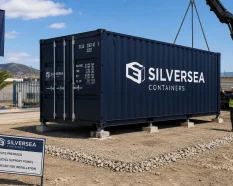
This is where the Shipper Owned Container (SOC) fundamentally changes the rules of engagement. A SOC is exactly what it sounds like: a shipping container that you (or your freight forwarder) own or lease directly from a neutral supplier like SILVERSEA Containers.
When you book freight using a SOC, you are only paying the shipping line for the slot on the vessel (the space on the ship). The box belongs to you. Here is how this ownership translates into unmatched operational agility when a port gets congested:
Total Immunity to D&D Fees: Because you own the container, the shipping line cannot charge you Demurrage or Detention. If it takes you 20 days to extract your container from a congested terminal, you only pay the port’s basic storage fee—not the carrier’s punitive equipment penalties. If you keep the empty container at your warehouse for three months after unloading, it costs you absolutely nothing.
Rerouting and Transloading Freedom: If your primary port is facing a catastrophic strike, you can instruct the vessel to discharge your SOC at an alternative, smaller regional port. With a COC, the carrier might refuse this, demanding their box be returned to the original destination. With a SOC, once the box touches the ground, you can immediately load it onto a freight train or a flatbed truck and move it across the country. You don’t need the carrier’s permission to move your own property.
One-Way Flexibility: You don’t have to worry about returning an empty box to a congested port. Once your SOC arrives and is unloaded, you can use it as a permanent static storage unit at your facility, sell it on the local secondary market to recoup your investment, or lease it out domestically.

The ROI of Taking Control
Transitioning to a SOC model requires a shift in mindset and an upfront capital investment (or a smart leasing agreement), but the Return on Investment (ROI) is undeniable for high-volume shippers.
Let’s run a conservative financial scenario. Purchasing a high-quality, used Cargo Worthy (CW) 40ft High Cube container might cost you around $2,500 to $3,500, depending on the global market and location.
- If you ship using a COC and get caught in severe port congestion, incurring 15 days of combined Demurrage and Detention at $200 per day, you just paid $3,000 in pure penalty fees. That money is gone forever.
- If you used a SOC, you paid zero penalties. The container effectively paid for itself on its very first congested voyage. Plus, you still own a highly valuable steel asset that you can resell or reuse for the next decade. For freight forwarders managing hundreds of TEUs (Twenty-Foot Equivalent Units) a month, the cost savings and margin protection are astronomical.
Secure Your Own Equipment
In an era of unpredictable supply chain disruptions, relying on a third party’s equipment is a vulnerability your business can no longer afford. Agility is the new currency, and ownership is the key to unlocking it.
At SILVERSEA Containers, we are more than just equipment providers; we are your strategic logistics partners. With over 20 years of industry expertise and a massive network of more than 200 global logistics centers, we supply premium, CSC-plated One-Trip and Cargo Worthy containers ready for international SOC deployment.
Whether you need to buy a single unit to test the waters, or you are looking to lease a fleet of 500 containers to secure your trans-Pacific routes, we have the inventory and the logistical muscle to make it happen.
Stop paying ransom to congested ports and start building a resilient supply chain.
Are you ready to take control of your freight?
Contact our B2B logistics team today to get a real-time quote and secure your SOC fleet.